

19 Oct California Rent Increase Limits Explained
For a rent increase in California, the statewide Tenant Protection Act generally limits covered units to 5% plus the regional cost-of-living increase, or 10%, whichever is lower, over any 12-month period. How much a landlord can raise rent in California also depends on local rent control, exemptions, and the lease. Written notice is a separate requirement, even when the property is exempt from the statewide cap.
If you have just opened a notice with a number you cannot comfortably pay, you may be wondering whether you have missed something in your lease. You may also be afraid that questioning the increase will put your home at risk. Start by checking the rule, not by assuming the landlord calculated it correctly. Let me walk you through coverage, the arithmetic, and the paperwork so you can decide what needs a closer look.
Start With the Property, Not the Percentage
The Tenant Protection Act, often called AB 1482, supplies a statewide rent cap under Civil Code section 1947.12. But a statewide rule is not the same as a rule covering every rental. Before multiplying your rent by a percentage, identify your address, the property’s age and ownership, and whether a local ordinance applies.
Read the lease’s Tenant Protection Act disclosure and any exemption claim, then look for supporting facts. A checked box on a form cannot turn a covered apartment into an exempt one, and a missing disclosure does not answer every question about coverage.
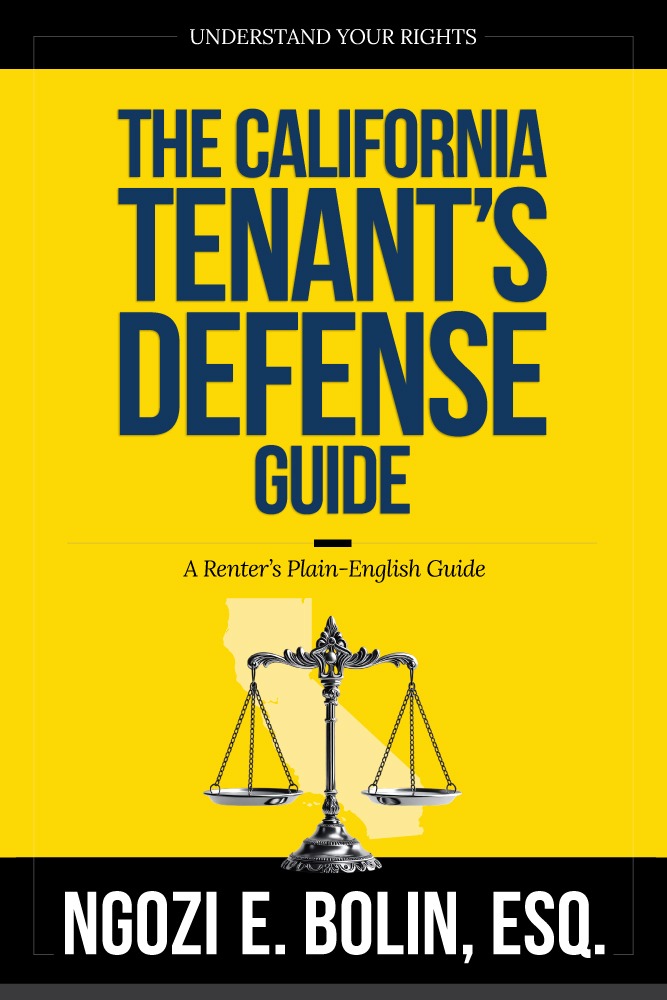
Chapter 3 of The California Tenant’s Defense Guide, The Statewide Rent Cap: What It Covers and What It Doesn’t, explains the distinction. As I write there, “The statewide rent cap is one of the most powerful and most misunderstood tenant protections in California.” Most of the misunderstanding starts with coverage.
Put the lease, the increase notice, and your payment history in one place, and note the date the owner wants the change to begin. That effective date helps determine which annual percentage applies and whether the owner allowed enough notice.
An Exemption Needs More Than a Label
Important statewide rent-cap exemptions include qualifying newer construction, certain separately owned homes and condominiums, qualifying owner-occupied duplexes, institutional dormitories, and specified affordable housing. More protective local rent control has its own role. The California Attorney General’s tenant guidance explains the principal categories and warns that coverage depends on the statutory requirements.
The newer-construction exemption uses a rolling 15-year period measured from the certificate of occupancy. An older building does not become new construction merely because the owner renovated the kitchen. For the duplex exemption, the owner’s residence at the beginning of the tenancy and continued occupancy matter. Do not assume that every property with two addresses qualifies.
A single-family home or condo is not automatically exempt. The statutory ownership test excludes a real estate investment trust, a corporation, and an LLC with a corporate member. The owner must also supply the prescribed written exemption notice. For an ordinary tenancy commenced or renewed on or after July 1, 2020, that language must be in the rental agreement.
Ask for the claimed basis rather than arguing about whether the landlord seems like a small operator. Ownership through an entity or trust requires examination of the actual arrangement; those words alone do not decide the result. If your landlord says the exemption notice can simply be added after a disputed increase, get advice about your particular lease and timing.
The same written exemption notice also decides whether the statewide just cause eviction rules apply to a house or condo, which I explain for owners in Just Cause Eviction in California: A Landlord’s Checklist.
Calculate a Rent Increase in California Over the Full Year
The statewide cap looks at the lowest gross rental rate charged during the 12 months before the proposed increase takes effect. Statutory rules exclude qualifying discounts, incentives, concessions, and credits from that base calculation. Read the lease carefully if it separates a stated gross rent from a temporary concession. Your bank statement alone may not establish the statutory starting amount.
The regional percentage updates annually for increases beginning August 1. The formula generally uses April CPI, or March when April regional data is unavailable, with the California index used for other counties. The Attorney General’s current rent-cap chart lists 8.7% for the Los Angeles area, including Los Angeles and Orange counties, for increases starting August 1, 2026, through July 31, 2027. That is the statewide figure for covered properties in that region, before checking any stricter local limit.
Say your covered Orange County apartment, outside a rent-control city such as Santa Ana, has a lowest gross rent of $2,000 during the relevant look-back period, with no concession affecting the calculation. Using 8.7%, the statewide ceiling would be $2,174. If the owner already raised the rent during that same period, that earlier increase uses part of the allowance; it does not create a fresh starting point.
For a continuing tenant, the statute permits no more than two increments during a 12-month period, within the combined cap. It is not two full annual increases. The statewide provisions currently sunset on January 1, 2030. Check the rule again for the date that affects you rather than relying on a percentage saved from an earlier renewal. If the Governor or your county declares a state of emergency, Penal Code section 396 can also bar increases above 10% for a time.
Your City’s Rent Board May Give You a Lower Number
Los Angeles, San Francisco, Oakland, Berkeley, and Santa Monica operate local rent programs. Coverage and permitted adjustments differ, and they are often far lower: the Attorney General’s chart lists current local limits of 2.3% in Oakland and 1.6% in San Francisco. A person living across a city boundary may have a different answer even when the buildings look alike and the rents are similar. Use the property’s actual jurisdiction, not the city name someone uses informally for the neighborhood.
My book puts the relationship plainly: “When local law is stronger, it wins.” Chapter 4, When Local Rent Control Changes Everything, explains why looking only at AB 1482 can miss the protection that matters most.
The Costa-Hawkins Rental Housing Act limits local rent control, including through exemptions for qualifying separately alienable homes and rules generally allowing an initial rent reset after a qualifying vacancy. Civil Code section 1954.52 sets out those limits. Those local-control limits do not themselves establish an exemption from the separate statewide cap.
Ask the local housing office whether your address is covered, which adjustment period applies, and whether the proposed increase includes any separately authorized charge. Avoid borrowing a neighbor’s percentage without confirming the same program applies. A roommate change is not automatically a complete vacancy that resets the rent.
A Lawful Amount Still Requires Written Notice
For periodic residential tenancies, Civil Code section 827 generally requires at least 30 days’ written notice for an increase of 10% or less and at least 90 days for an increase above 10%. The calculation includes relevant increases during the preceding 12 months. Splitting a larger increase into smaller notices does not avoid the rule.
The longer notice period does not make an otherwise prohibited increase lawful. A covered landlord cannot exceed the Tenant Protection Act ceiling simply by giving 90 days. Notice answers when an authorized change may take effect. The cap answers how much the owner may charge.
Personal delivery and mail are authorized methods for a rent-increase notice. Mailing requires additional time; an ordinary mailing within California generally adds five days. Keep the envelope and record how the notice arrived. A phone call or text announcing a new amount is not a substitute for the required formal notice.
If your rent is fixed for an unexpired lease term, examine the agreement before assuming the owner can change it now. A mid-lease change generally needs a lawful contractual basis. Bring any escalation clause to someone reviewing the notice, together with all riders. Do not focus only on whether the increase starts on the first of a month. The lease, delivery method, required interval, and local rules all deserve attention.
A Repair Complaint Should Not Become a Rent Penalty
Civil Code section 1942.5 protects tenants against prohibited retaliation for exercising rental rights. A rent increase used to punish a good-faith repair complaint can raise a retaliation issue even if the owner describes it as an ordinary business decision. A disputed increase may also raise discrimination concerns where a protected characteristic drives less favorable treatment.
Timing matters, but put it in context. Save the repair request, the owner’s response, inspection records, and the later notice. Write a short chronology while you remember the sequence. Include facts that cut both ways, such as an increase announced before the complaint. An accurate record is stronger than an exaggerated one.
Please do not assume that every increase after a complaint is automatically illegal. The question involves the protected activity, the owner’s reasons, and the applicable statutory requirements. A lawyer or tenant organization can help identify what the documents actually support and which procedure fits your situation.
Keep repair conditions and rent arithmetic documented separately, even when they overlap. Photographs may establish a leak, while leases and payment records establish the disputed rent. Someone reviewing your case needs both. If you want the landlord to correct an increase, make that request clearly rather than burying it in a long exchange about everything that has gone wrong in the building.
Challenge the Calculation Without Losing Track of the Rent
Write to the owner with the current rent, proposed rent, effective date, and your coverage concern. Ask which regional rate or local rule was used and whether earlier increases were included. If the owner claims an exemption, request the basis and identify the exemption language in your lease. Keep a copy of your message and any answer.
Then contact the local rent board, housing department, or a tenant organization that reviews notices. Send the actual documents. A summary that says the increase is about 10% is less useful than a notice showing the exact amounts and dates. If the owner corrects the demand, ask for the corrected figure and effective date in writing.
Continue paying the lawful, undisputed rent and get prompt advice about any contested balance. If you pay a disputed amount while seeking review, preserve your objection and payment records. Please do not use this article as a reason to ignore a California 3-day notice that arrives afterward. It creates a separate need to respond.
A demand overstating lawful rent can be defective, as I explain in mistakes that can void a California eviction notice. But a possible defense must be raised properly. Keeping the rent dispute organized helps protect you when the owner changes the conversation from a renewal proposal to a demand for payment.
When to Talk to a Lawyer
Get help promptly if your landlord demands an increase above the apparent cap, claims an exemption without the required lease language, or serves eviction papers while you dispute the amount. I would also want a lawyer involved if the increase follows protected complaints, appears discriminatory, or depends on a disputed ownership arrangement or concession.
Bring enough records to let the person reviewing the matter reproduce the calculation. That means the lease and riders, the increase notice and envelope, earlier notices, and a payment history covering the relevant period. If a local board has already answered a question, include that correspondence. It may save time and identify the remaining issue.
Here is my advice: ask for an explanation early, while there is still time to correct a mistake. An owner may have used the wrong year’s percentage, missed an earlier adjustment, or assumed an exemption. A clear written request gives you a practical place to begin without deciding in advance how the dispute will end.
This article is general information about California law, not legal advice, and does not create an attorney-client relationship.
Frequently Asked Questions
Is there a limit on how much my landlord can raise rent in California?
Covered units are limited to 5% plus the applicable regional cost-of-living increase, or 10%, whichever is lower, over 12 months. More protective local rent control may impose a lower limit.
How much notice does a California rent increase require?
For periodic residential tenancies, increases of 10% or less generally require 30 days’ written notice; larger increases generally require 90 days. Prior increases, mailing time, the lease, and local requirements can affect the answer.
Does the statewide rent cap apply to single-family homes?
Some single-family homes are exempt, but the statutory ownership conditions and required written exemption notice must be satisfied. A house is not automatically exempt because it is separately rented.
Can my landlord raise the rent twice in one year?
For a continuing tenant in a covered unit, the statewide law permits no more than two increments in 12 months. Together, the increases must stay within the applicable annual cap.
Does the rent cap control a completely new tenancy?
The statewide cap generally allows an owner to set the initial rent when no tenant from the prior tenancy remains in lawful possession. Local rules, affordable-housing restrictions, and applicable emergency protections require separate review.
Last reviewed October 2026. This article is general information, not legal advice.
