
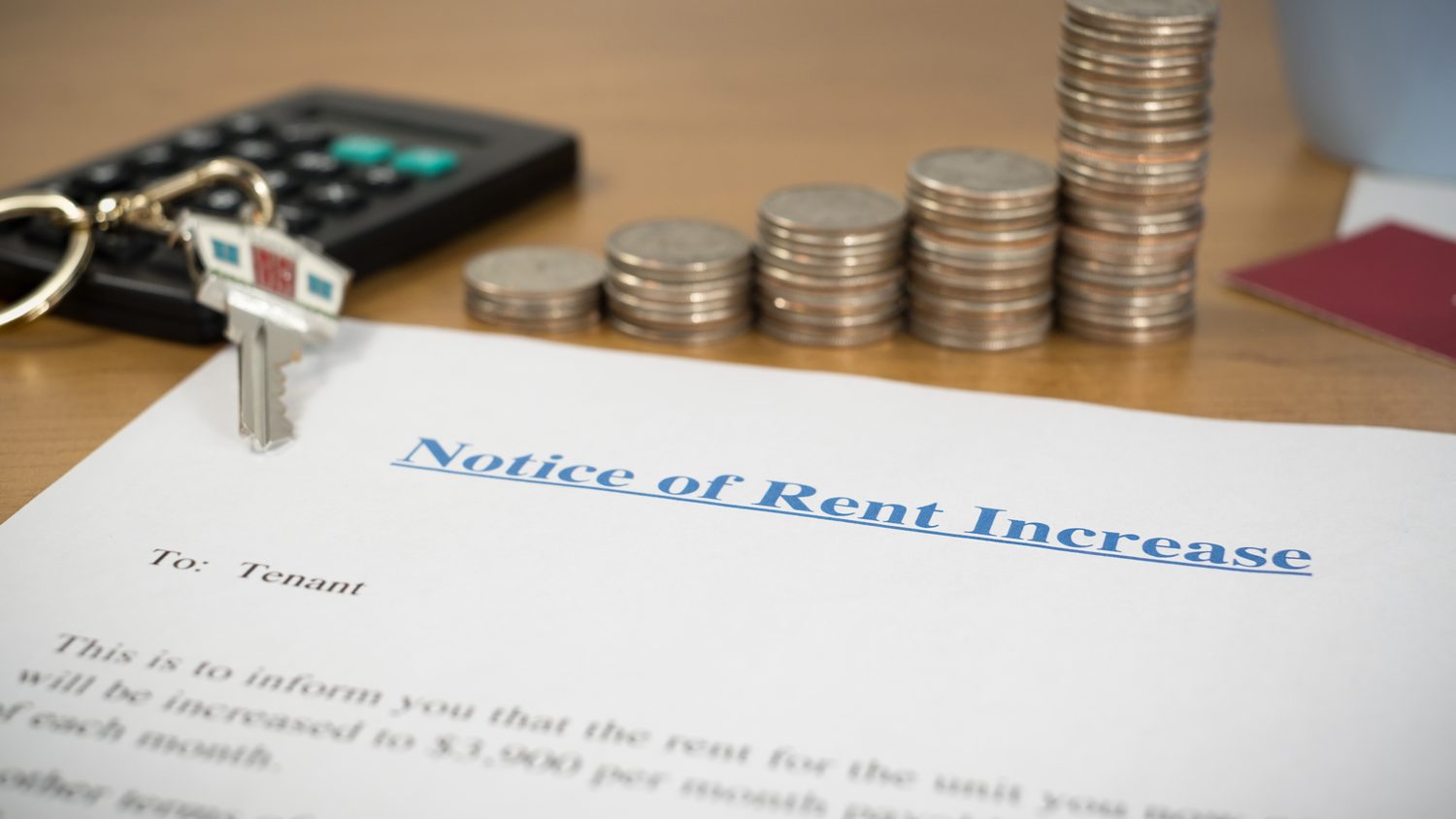
19 Oct How Much Can a Landlord Raise Rent in New York?
How much a landlord can raise rent in New York depends on your apartment. Rent-stabilized renewals follow the applicable Rent Guidelines Board order. Good Cause Eviction makes increases above a yearly standard presumptively unreasonable. Other unregulated apartments have no general statutory cap, but advance-notice rules apply. Your first step is identifying which system governs your home, before deciding whether the new amount is lawful.
A renewal arrives, and suddenly you are calculating what you can cut from the grocery budget or whether you can afford to stay. But the number on the paper is the landlord’s proposal, not proof that the law permits it. Let me walk you through the questions I would want answered before you sign, agree to move, or assume there is nothing you can do.
First, Find Out Which Rent Rules Apply
The size of an increase does not tell you whether your apartment is regulated. Neither does a lease that calls the unit market rate. Start with the apartment’s legal status, then examine the proposed rent.
If you live in New York City and stabilization is possible, begin with my guide to finding out whether your NYC apartment is rent stabilized. Request your apartment’s rent history from Homes and Community Renewal, usually called HCR, and compare it with your leases and riders. A missing rider deserves investigation. It does not settle the coverage question.
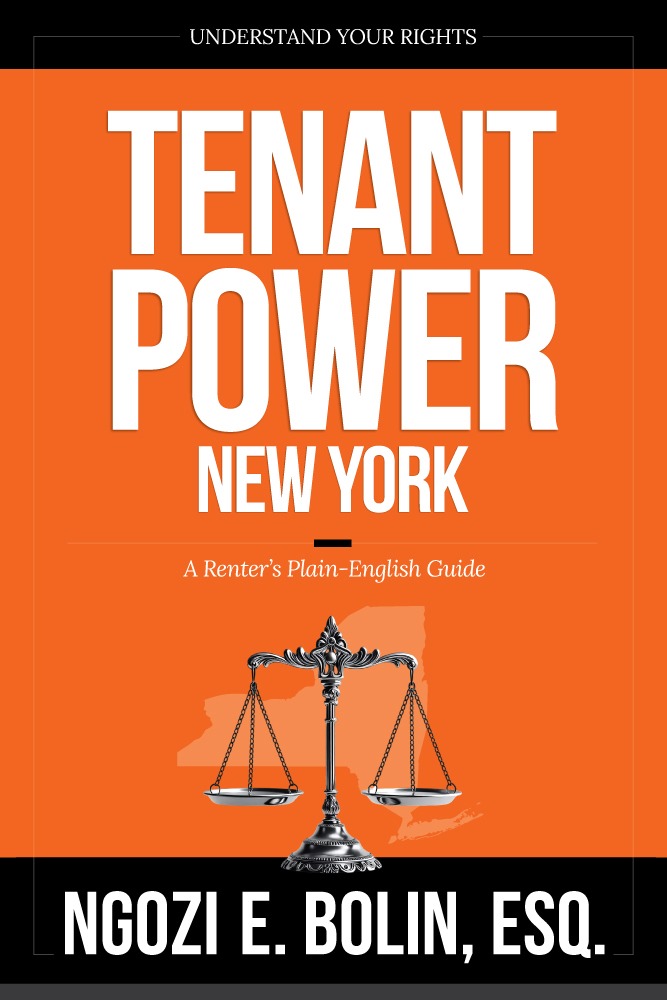
As I put it in Tenant Power: New York, “Legal rent is not the advertised rent.” The same caution applies to the figure printed on your renewal. Chapter 6, Legal Rent, Rent Increases and Renewal Leases, explains why the amount must follow a lawful chain of increases.
If the unit is not stabilized, check Good Cause coverage next. That law protects many apartments previously treated as ordinary market rentals. Rent control is a separate, less common system with its own HCR rules; a rent-controlled tenant should not use the stabilized renewal percentages discussed below. Where coverage remains uncertain, gather the records rather than accepting a label as the answer.
What the Current NYC Rent-Stabilized Increase Allows
For New York City apartment renewal leases starting from October 1, 2026, through September 30, 2027, the Rent Guidelines Board’s Order 58 sets the guideline adjustment at 0% for a one-year lease and 0% for a two-year lease. Those are the figures for that starting-date window. They do not establish the rule for every stabilized apartment across New York State.
The lease commencement date matters. A renewal beginning before that window falls under the order covering its actual start date. Please do not compare a friend’s renewal with yours without first checking those dates. Ask for the actual calculation.
According to HCR’s lease guidance, a stabilized tenant generally chooses between a one-year and a two-year renewal. Read both choices and keep a copy of what you return. The landlord should not make the decision for you by presenting only the preferred option.
A zero guideline adjustment does not erase a separately authorized charge or improvement increase. It means the annual guideline itself supplies no increase for these renewals. If your total is higher, ask the owner to identify each additional component and its authority. That written breakdown is much more useful than arguing about whether the building’s expenses have risen.
Your Preferential Rent Is the Starting Point
A preferential rent is an amount the landlord agrees to collect below the apartment’s legal regulated maximum. Your paperwork may show both figures. Seeing the larger amount can make a tenant feel that the lower rent is a favor the owner can withdraw whenever the lease ends. For an ordinary stabilized renewal, that is not how the current rule works.
HCR’s preferential-rent fact sheet explains the protections established by the 2019 Housing Stability and Tenant Protection Act. Tenants paying a preferential rent on or after June 14, 2019, generally retain it for the tenancy, with lawful increases applied to that amount. Certain government-regulated affordable housing arrangements require a separate check with the supervising agency.
Compare the rent you actually pay with the renewal’s starting figure. If the landlord begins with the higher registered rent and describes the difference as an expired discount, ask for a written explanation. Do not assume that a clause from an old lease overrides the statutory protection.
The book makes another point that belongs here: “paying an illegal rent does not legalize it.” That is a reason to investigate a possible overcharge, not an instruction to stop paying. Keep your receipts and get advice about disputed amounts before changing your payment. The goal is to preserve your housing and your claim together.
Renovations Need Their Own Legal Explanation
An improvement increase is different from a regular renewal adjustment. A major capital improvement, or MCI, generally concerns the building. An individual apartment improvement, or IAI, concerns a particular apartment. Neither label means the landlord can choose an additional amount without following the applicable requirements.
HCR’s MCI guidance describes an approval process, a 2% annual collection cap, and removal of the MCI increase after 30 years. Ask for the HCR order and the calculation for your apartment. A contractor’s invoice alone is not the agency’s authorization to collect an MCI increase.
IAI rules changed after the original 2019 restrictions. Under HCR’s revised Operational Bulletin 2024-2, the current system has a standard tier with up to $30,000 in eligible costs over the applicable 15-year period and a specially qualified tier allowing up to $50,000. The higher tier is not available for every renovation. Required filings, proof of costs, the applicable formula, and informed written consent for work in an occupied apartment all matter.
My advice is to ask which improvement rule the owner is using and when the work occurred. A new refrigerator and a new roof raise different questions. Keep photographs, notices, consent forms, and any response you submitted. Those records help someone reviewing the increase determine whether the owner followed the right process.
Good Cause Rent Increases Use a Different Test
Good Cause Eviction applies in New York City and municipalities that adopt it, subject to exemptions. It does not put every covered apartment into rent stabilization. Its rent protection works through a presumption: an increase above the local rent standard is presumed unreasonable, and the owner may try to justify it.
Under Real Property Law section 211, that standard is the lower of 10% or 5% plus the applicable inflation figure. HCR’s 2026 Good Cause notice reports inflation of 3.38% and 3.15%, which produces a standard of 8.38% for New York City and the designated downstate region, and 8.15% for the Northeast region used elsewhere. Outside NYC, the property must also be in an adopting municipality. These figures should not be confused with a stabilized renewal guideline.
An increase above the standard is not automatically void. Section 216 permits the court to consider relevant expenses and qualifying significant repairs when evaluating reasonableness. That is why the landlord’s explanation and supporting records matter.
Coverage has exceptions, including qualifying small landlords, certain owner-occupied properties, regulated housing, condos and co-ops, qualifying newer construction, and apartments renting above a high-rent threshold. My New York eviction guide explains how Good Cause fits into the larger process. Your lease and renewal should come with the state’s Good Cause notice, which says whether your apartment is covered and, if not, which exemption the owner claims. An owner’s statement that the building is small does not answer every coverage question.
If you want to see these rules from the owner’s side, including how the unit count and the exemptions work, read my article on Good Cause Eviction for New York landlords.
When a Landlord Can Raise Rent in New York Without a Cap
For an apartment outside rent regulation and Good Cause, New York does not impose a general percentage ceiling on rent increases. That can be hard to hear when the proposed amount is beyond your budget. But the absence of a general cap does not eliminate the lease or the notice requirements.
Under Real Property Law section 226-c, a proposed renewal increase of at least 5% requires written advance notice. The applicable period depends on occupancy or the lease term, whichever gives the longer protection:
- At least 30 days for occupancy under one year without a lease term of at least one year.
- At least 60 days for the intermediate tier, including a lease term of at least one year but under two years.
- At least 90 days for occupancy over two years or a lease term of at least two years.
Say your rent is $2,400 and the owner proposes $2,640, a 10% increase. You have lived there for three years and receive written notice on a Monday. The owner cannot make that increase effective the following month simply because your lease is ending; the 90-day requirement must be satisfied.
When notice is late, existing tenancy terms continue until the required notice period expires. An increase also generally cannot take effect during a fixed lease unless the agreement lawfully permits it. Proper notice and a lawful amount are separate questions; satisfying one does not establish the other.
Put Your Objection and Your Evidence in Writing
Start with a short request for the calculation. Identify your current rent, the proposed rent, the proposed effective date, and the protection you believe applies. Ask the owner to explain any claimed exemption or improvement increase. Keep the tone factual so your letter remains useful if someone else later reads it.
For a potentially stabilized unit, request the rent history and compare it with the lease rider. If the figures suggest an overcharge, the overcharge discussion in my stabilization article explains the HCR and court routes. You do not need to put every possible allegation in your first message to the landlord. You do need to preserve the documents supporting your concern.
An increase following a repair complaint deserves a separate look. Real Property Law section 223-b prohibits covered retaliatory conduct, including an unreasonable renewal increase used against a tenant for asserting protected rights. The section excludes owner-occupied dwellings with fewer than four units and has other qualifications. Timing can be evidence, but it does not prove retaliation by itself.
Save repair requests, inspection records, messages, and the increase notice together. Continue paying undisputed rent, and promptly obtain advice about the disputed balance. A pending complaint does not automatically prevent a nonpayment case. Please do not let a disagreement over the calculation become an unanswered court case.
When to Talk to a Lawyer
Get a tenant lawyer’s review if the owner claims your apartment is exempt but cannot explain why, if a preferential rent disappears at renewal, or if an improvement increase arrives without supporting paperwork. The same is true when a large increase follows repair complaints or the landlord pressures you to sign a surrender agreement before you have checked your rights.
Speak with someone promptly if a rent demand, nonrenewal notice, or court papers arrive. Keep those deadlines separate from your effort to resolve the rent dispute. A polite exchange with the property manager is useful, but it does not replace a required legal response. Bring the original notice and envelope, your current and earlier leases, payment records, and your correspondence.
I would also get help where the apartment’s regulatory history is unclear. Older deregulations, tax-benefit programs, and conflicting registrations can require a closer examination than a percentage comparison. Chapter 7 of Tenant Power: New York, Overcharge Claims, can help you prepare the records and questions for that conversation.
Here is the thing I most want you to take from this article: find the rule that applies to your apartment before accepting the number. You can be worried about your budget and still insist on a documented explanation.
This article is general information about New York law, not legal advice, and does not create an attorney-client relationship.
Frequently Asked Questions
Can my landlord raise my rent in the middle of my lease?
A New York landlord generally cannot raise rent during a fixed lease unless the lease lawfully permits the change. Rent regulation and other applicable protections can restrict it further.
How much notice does a New York rent increase require?
For a proposed renewal increase of at least 5%, Real Property Law section 226-c generally requires 30, 60, or 90 days of written notice, depending on occupancy and lease length. Stabilized renewals have their own rules.
Is there a cap if my apartment is not rent stabilized?
A non-stabilized apartment may be covered by Good Cause Eviction, which makes increases above the local rent standard presumptively unreasonable. An unregulated apartment outside Good Cause has no general statutory percentage cap.
Does Good Cause limit rent increases outside New York City?
Good Cause protections apply outside NYC only in municipalities that adopt the law, and exemptions still matter. Check both the local adoption and the property’s coverage.
What happens to my preferential rent at renewal?
For an ordinary stabilized tenancy protected by the post-2019 rule, lawful renewal increases apply to the preferential rent you pay. Certain government-regulated affordable housing programs require separate review.
Last reviewed October 2026. This article is general information, not legal advice.
