
05 Jul Got a 3-Day Notice in California? What It Means and What to Do Next
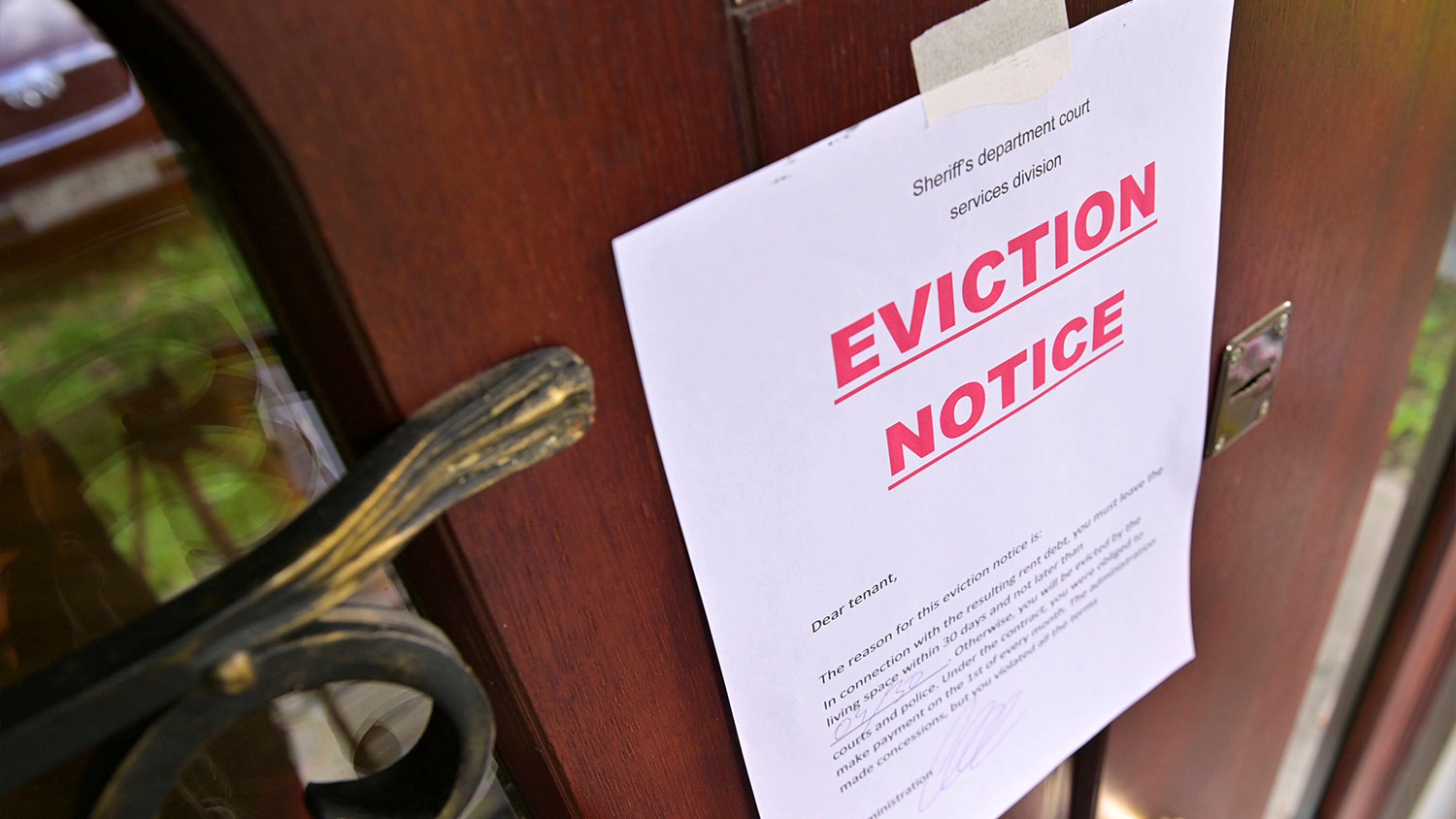
A 3-day notice is not an eviction. It is a written demand from your landlord to pay rent, fix a lease problem, or move out within three days, and it is the first step your landlord must take before asking a court to evict you. If the deadline passes and nothing changes, your landlord can file a lawsuit called an unlawful detainer, and only a judge can order you to leave.
So if you have just pulled a notice off your door and your heart is pounding, start there. You are not being put out on the street in three days. You have choices to make this week, and more rights than that piece of paper lets on. Let me walk you through it the way I would if you were sitting across the desk from me.
First, Take a Breath: What This Paper Really Is
A 3-day notice is designed to look final. It usually arrives with bold capital letters, a dollar figure, a deadline, and a few code sections cited at the bottom. Most renters read it once and conclude that the decision has already been made.
It has not. In California, a landlord who wants a tenant out has to move through a sequence: a proper written notice, then a court case, then a judgment, and only then enforcement by the sheriff. Your landlord cannot skip to the end. Changing your locks, putting your belongings on the curb, or shutting off your utilities to push you out is illegal, even if you really are behind on rent.
I put it this way in my book, The California Tenant’s Defense Guide: “Urgency is not legality.” A landlord who sounds certain and wants you gone by Friday still has to follow every step. Your job this week is to read the notice carefully, decide how to respond, and keep track of the dates.
Which Kind of 3-Day Notice Do You Have?
Look at the title and the first few lines, because California uses three different 3-day notices and each one asks for something different. The California Courts describe them on their notice types page.
The most common is the 3-Day Notice to Pay Rent or Quit. Your landlord is saying you owe rent, and you are being told to pay the amount demanded or move out. The second is the 3-Day Notice to Perform Covenants or Quit, sometimes called a cure or quit notice. Here the landlord says you broke a lease rule that can be fixed, such as keeping a pet the lease does not allow, and you are told to fix it or move out.
The third is the unconditional 3-Day Notice to Quit. It claims a serious problem, such as a nuisance, substantial damage to the unit, or illegal use of the home, and it offers no chance to fix anything. It simply tells you to leave. That is the most serious of the three, and if it is the one in your hand, I would want you talking to a lawyer or a legal aid office today, not on day three.
How to Count the Three Days
The clock does not start the moment you find the notice. The day you are served does not count, so day one is the next day. For a notice to pay rent or quit and a notice to perform covenants or quit, Saturdays, Sundays, and court holidays are skipped as well. If you were handed a pay or quit notice on a Thursday, for example, Friday would be day one, Monday day two, and Tuesday day three, assuming no court holiday falls in between.
The unconditional 3-Day Notice to Quit is counted differently. According to the California Courts, those three days include weekends and court holidays, which is one more reason to move quickly on that kind of notice.
How the notice reached you matters too. The law allows a landlord to hand it to you, to leave it with another person at your home or workplace and mail a copy, or, when those methods are not workable, to post it on the property and mail a copy. If yours was posted or mailed, do not guess at your last day. Ask a legal aid office, a court self-help center, or a lawyer to count it with you. And write down today, while you still remember, the date and time you found the notice and exactly where it was.
Read the Notice the Way a Lawyer Would
Here is something landlords rarely mention: the notice has to be right. If the case ever reaches a courtroom, your landlord carries the burden of showing that the notice met the legal requirements and was properly delivered. As I tell readers in Chapter 8 of the book, which is devoted to notices that do not hold up, “the notice deserves scrutiny, not panic.”
For a notice to pay rent or quit, Code of Civil Procedure section 1161 spells out what must be there. It has to be in writing and it must state:
- The amount of rent that is due.
- The name, telephone number, and address of the person you are supposed to pay.
- How you can pay, including the usual days and hours someone is available if you are allowed to pay in person.
- That you must pay within three days or give up possession of the home.
Now compare that to what you are holding. The problem I see most often is a total that is larger than the rent. Late fees, utility charges, and “administrative” fees get folded into the demand, when a pay or quit notice is supposed to demand rent. Check the arithmetic. Check whether a partial payment you already made was credited. Check whether the notice reaches back for rent that came due more than a year ago, which a 3-day notice cannot do. Then look at the instructions. “Pay the landlord” with no address, no phone number, and no hours does not tell you how to comply.
A cure or quit notice deserves the same attention. It should tell you what you are accused of doing clearly enough that you know what to fix. With any notice, consider the delivery as well. A text message or an email alone is generally not one of the delivery methods the statute lists.
A word of caution, because this is where people get hurt. Finding a flaw does not make the notice disappear, and it is not permission to ignore it. A defect is something you raise properly, in writing and on time, usually as a defense if a case is filed. Keep the original notice clean, photograph it front and back, and save the envelope if it came by mail.
What to Do Before the Deadline
The first two days matter more than most people realize, so let me give you an order of operations.
- Copy the notice and write down how and when you got it.
- Identify which of the three notices it is and count your deadline.
- Compare the amount demanded with your own records, receipts, and bank statements.
- Call a tenant rights organization, legal aid office, or lawyer and ask for a notice review.
Then decide. If the notice is for unpaid rent, the amount is correct, and you can pay all of it within the three days, paying generally ends the matter, because your landlord should not start an eviction case over a notice you satisfied. Pay in a way that leaves a trail and get a receipt. Never hand over cash without one.
If you can only pay part, be careful. A partial payment may not stop the process, and your landlord may be free to refuse it. Get advice first, and if your landlord agrees to a payment plan, get it in writing with dates and amounts.
If the notice asks you to correct a lease violation and you are able to, correct it inside the deadline and document it. Take photos, keep receipts, and send your landlord a short dated note saying it is done.
You can also talk. Many landlords would rather have a workable arrangement than a court case, and a written agreement on a catch-up schedule or a move-out date can serve both sides. If you decide moving is the right choice for you, that ends the fight over possession, though your landlord may still claim unpaid rent.
What I do not want is a decision made out of fear. In the book I describe renters who borrowed from family or drained savings to satisfy a demand that included charges the landlord had no right to put in the notice. Take the hour to check before you pay or pack.
If the Deadline Passes and Court Papers Arrive
If the three days run out, your landlord’s next move is to file an unlawful detainer case. You will be served with a Summons and a Complaint. This is the moment the deadlines turn strict, and it is the one I most want you to remember.
Under current law, if the papers are handed to you personally, you have 10 court days to file a written response with the court. Saturdays, Sundays, and court holidays are not counted. Before January 1, 2025, the deadline was 5 court days, so you will still find older articles, forms, and books that give the shorter number. The time is calculated differently if you were served another way, such as by posting and mailing. The California Courts lay out the steps on their respond to an eviction case page.
The usual response is a form called the Answer (form UD-105). There is a filing fee, and you can ask for a fee waiver if you cannot afford it. You do not need a lawyer to file it, although help makes a real difference, and court self-help centers assist with these forms.
The mistake I worry about most is the tenant who plans to simply show up and explain. Picture a renter who paid in full inside the three days, was sued anyway, and assumed the judge would sort it out at the hearing. Without a written response on file, the landlord can ask for a default judgment once the deadline passes, and the judge can decide the case without ever hearing that side of the story. A good defense helps only if you raise it in writing and on time.
The Answer is where your defenses go: a defective notice, rent you already paid, serious repair problems your landlord ignored, discrimination, or an eviction that follows closely after you asked for repairs or reported the property to an inspector. California law prohibits that kind of retaliation. Chapter 16 of the book, Inside a California Eviction Case, walks through each stage of the court process and why many cases resolve by agreement before trial.
If a tenant does lose, removal is still not instant. The sheriff delivers a Notice to Vacate that gives 5 days to move out before a lockout. An eviction judgment can also follow you on rental applications for years, which is one more reason to respond and not let the case go by default.
When to Talk to a Lawyer
Sooner than you think. In my experience, most renters wait until the court papers show up, and by then some of their best options have already closed. Get legal help right away if you have been served with a Summons and Complaint, if you received an unconditional notice to quit, if the amount demanded looks wrong, if the notice arrived soon after you complained about repairs, or if you live in subsidized or rent-controlled housing, where local rules may add protections. Get help, too, if you simply do not understand what the notice is asking of you.
The California Courts keep a list of free legal and housing resources, and many areas have tenant organizations and clinics that review notices at no charge. One conversation with someone who knows the rules can change how this week goes.
This article is general information about California law. It is not legal advice, and reading it does not create an attorney-client relationship. The rules that apply to you depend on your lease, your city, and the facts of your situation.
Frequently Asked Questions
Can my landlord change the locks once the three days are over?
No. When the notice expires, the only thing your landlord gains is the ability to file a court case. Only the sheriff can remove you, and only after your landlord wins a judgment.
Do Saturday and Sunday count toward my three days?
Not for a notice to pay rent or quit or a notice to perform covenants or quit, where weekends and court holidays are skipped. The California Courts say an unconditional 3-day notice to quit does count every day.
The notice includes late fees. Do I have to pay the whole amount?
A notice to pay rent or quit is supposed to demand rent, and a total that overstates what you owe may be a defense if a case is filed. Do not decide what to pay or withhold on your own; have a legal aid office or lawyer review the notice before the deadline.
I paid everything within the three days but still got court papers. What now?
File a written response by the deadline and raise the payment as a defense, with your receipt or other proof. Showing up at a hearing without filing a response is not enough to protect you from a default judgment.
Will a 3-day notice show up on my rental history?
The notice itself is not a court filing. A court case you lose can appear when future landlords screen you, which is a strong reason to respond on time.
Last reviewed October 2026. This article is general information, not legal advice.
